About
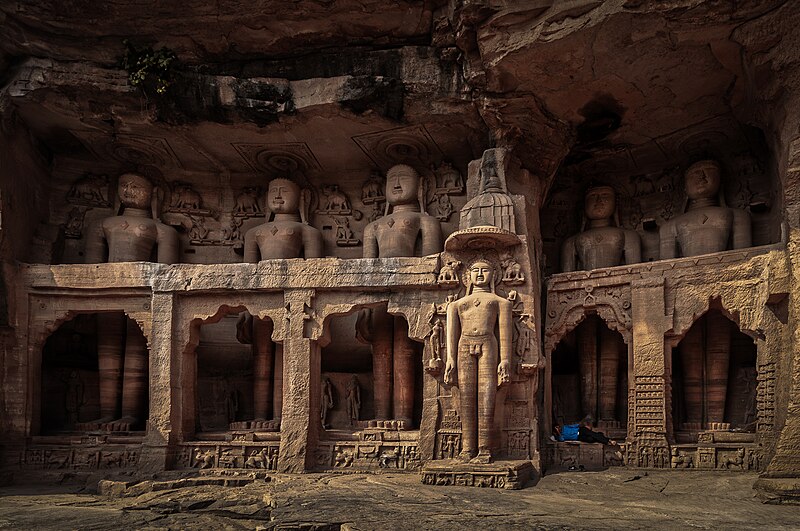
Gwalior Fort and its surrounding hillsides contain several Buddhist rock-cut caves and sculptures that are among the earliest archaeological remains in the region. These caves, dating from approximately the 2nd to 5th century CE, predate many of the fort's better-known structures. The Buddhist presence at Gwalior is evidenced by rock-cut meditation cells, relief panels depicting the Buddha in various mudras (meditation, teaching, and earth-touching poses), seated Bodhisattva figures, and remnants of stupas. A notable 19th-century photograph by Clifton & Co. documents a "Buddhist temple in the fort at Gwalior" showing carved Buddha figures in niches. Some of the Buddhist caves show architectural features similar to those found at Sanchi and Udayagiri — major Buddhist sites in Madhya Pradesh — suggesting Gwalior was part of a network of Buddhist monastic centres in central India. The caves are less visited than the Jain sculptures but represent an important chapter in the fort's religious diversity.
Highlights
Practical Info
Accessible during fort hours: 6:00 AM – 5:30 PM
Morning — combine with Jain sculptures walk along the Urwahi route