Gwalior Fort

Est. ~3rd Century BCE

Gwalior Fort

“The pearl amongst fortresses”

Complete guide to Gwalior Fort — Man Mandir Palace, Teli Ka Mandir, Jain sculptures, 2000+ years of history from 3rd century BCE to present.

Swipe up to explore
Man Mandir Palace
Palace

Man Mandir Palace

Stunning blue-tiled masterpiece — the crown jewel of Gwalior Fort
must-visitpalacearchitecture
1–1.5 hours ModerateIncluded with Gwalior Fort ticket — ₹75 (Indians), ₹250 (Foreigners)
palace

Man Mandir Palace

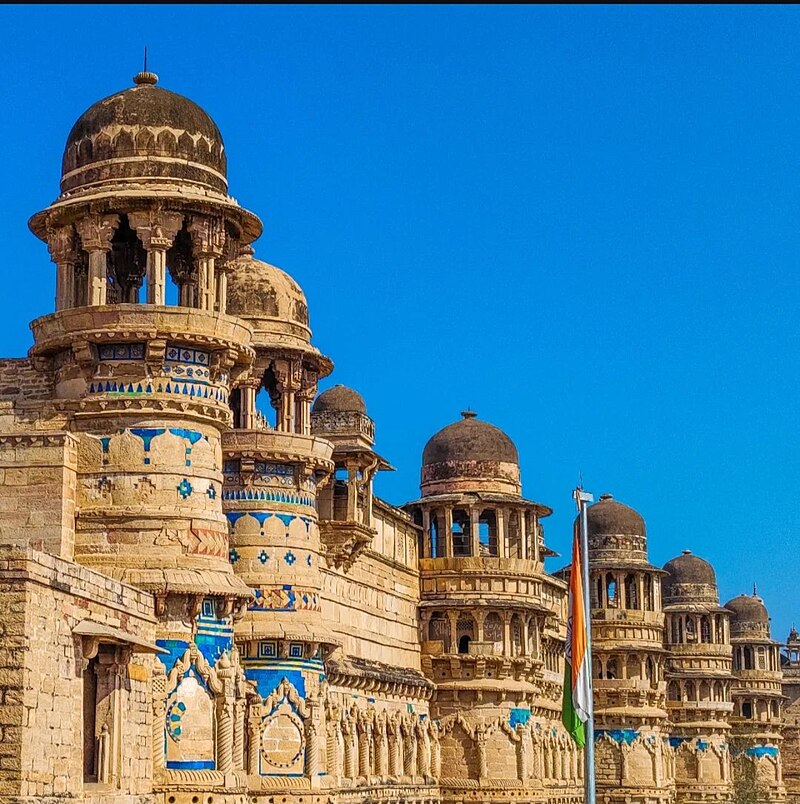
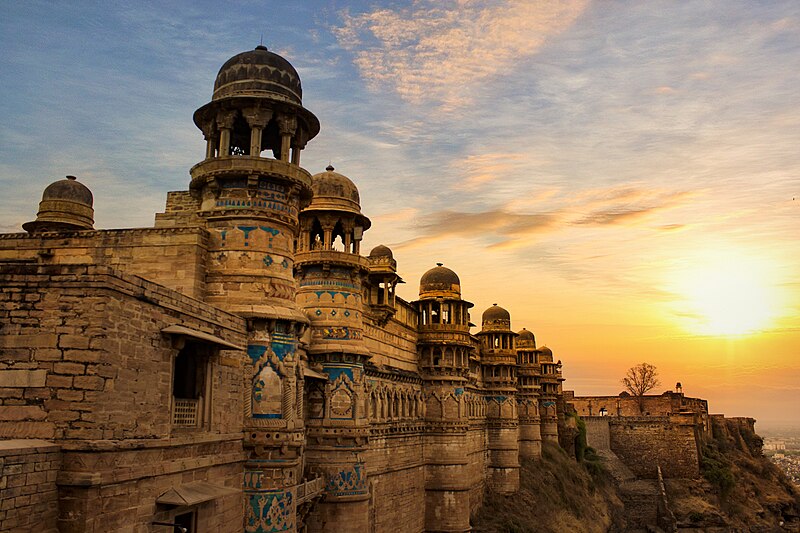
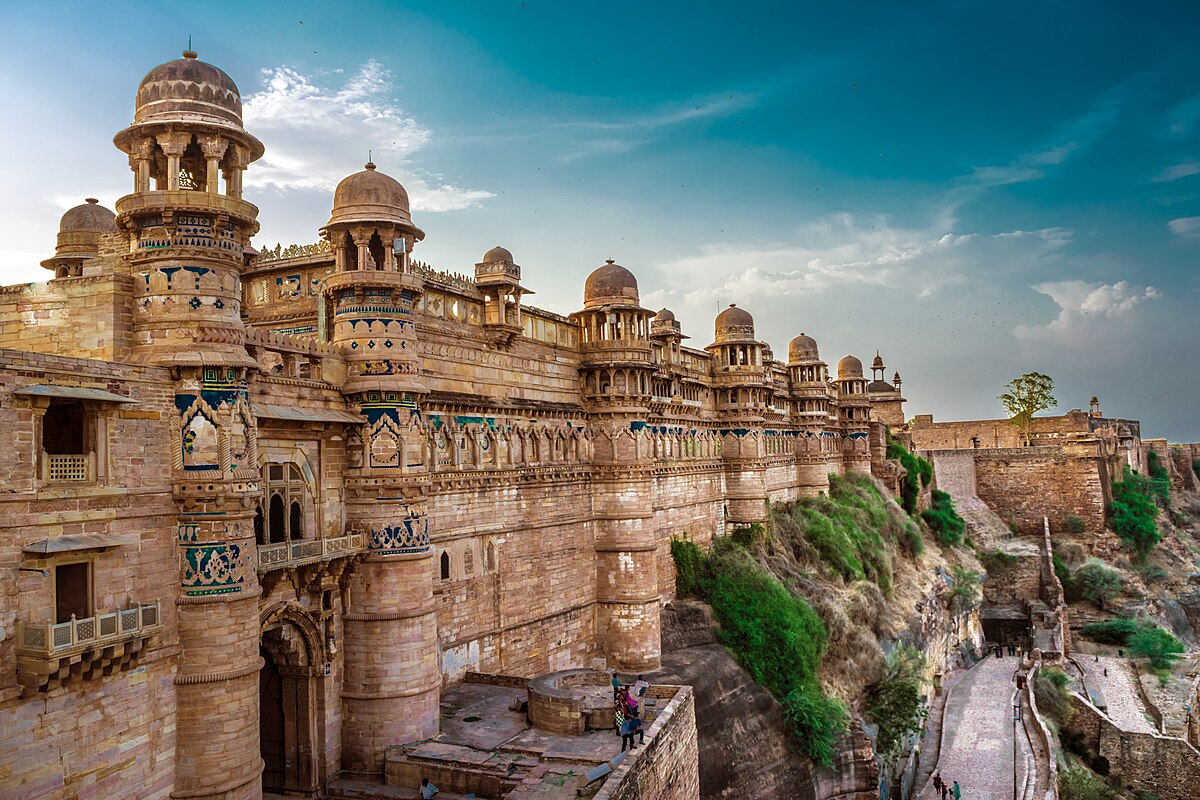
Built by Raja Man Singh Tomar between 1486 and 1516, Man Mandir Palace is the most iconic structure within Gwalior Fort. Its exterior is a riot of colour — elaborate glazed tiles in turquoise, green, yellow, and white form intricate geometric patterns featuring ducks, elephants, tigers, crocodiles, and banana trees. The palace has two levels above ground and two underground, with the lower floors featuring Jharokha windows, hanging balconies, and perforated stone screens. The underground chambers, originally royal apartments with sophisticated ventilation, were later converted into dungeons by the Mughals — Aurangzeb imprisoned and eventually executed his brother Murad here in 1661.

Duration

1–1.5 hours

🎟Entry

Included with Gwalior Fort ticket — ₹75 (Indians), ₹250 (Foreigners)

👥Crowds

Moderate

☀️Best Time

Morning for best light on the tilework, golden hour for photography

Timings

6:00 AM – 5:30 PM daily

Highlights

Man Mandir Palace

Elaborate glazed tilework with animal and geometric motifs
Two underground levels — royal apartments turned Mughal prison
Aurangzeb imprisoned brother Murad here (1661)
15th-century Tomar Rajput architecture at its finest
Panoramic views of Gwalior city from upper levels

Photos

#must-visit#palace#architecture#tilework#photography#tomar
Teli Ka Mandir
Temple

Teli Ka Mandir

The tallest structure in Gwalior Fort — a unique fusion of North and South Indian temple architecture
must-visittemplearchitecture
30–45 minutes LowIncluded with Gwalior Fort ticket
temple

Teli Ka Mandir

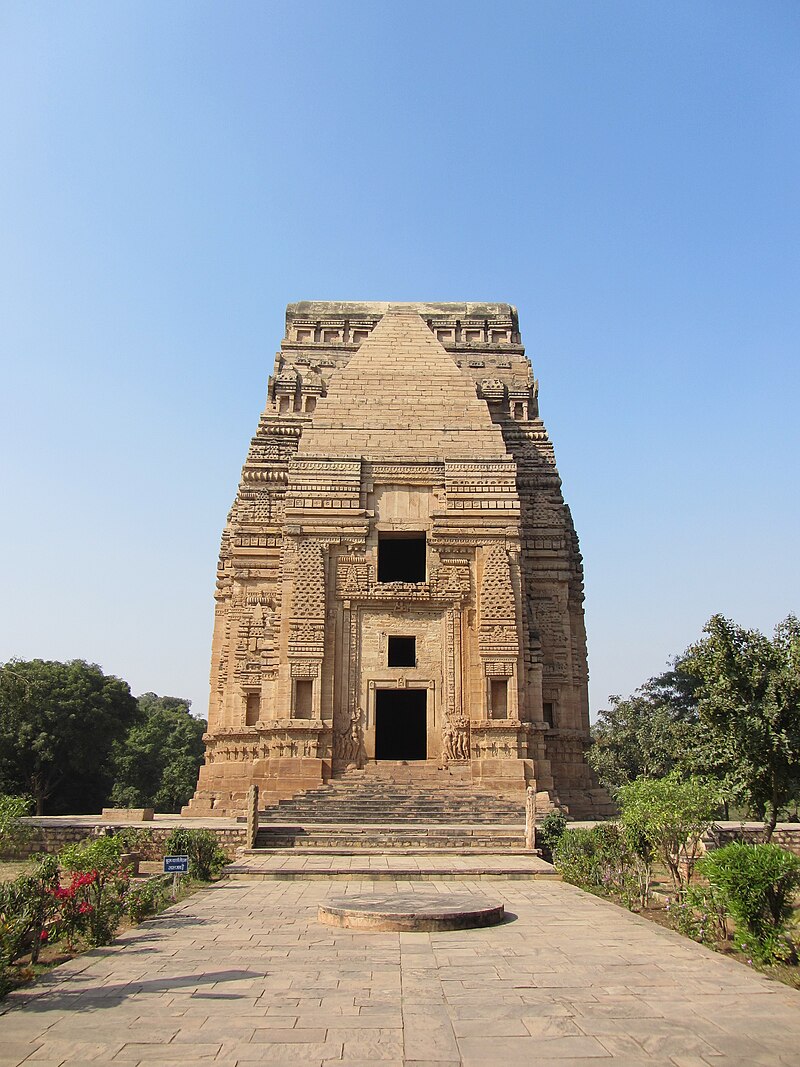
Rising to approximately 100 feet (30 metres), Teli Ka Mandir is the tallest pre-medieval structure within Gwalior Fort and one of the most architecturally significant temples in central India. Built during the Pratihara dynasty period (8th–9th century CE), it uniquely combines a Dravidian-style rectangular tower (vimana) with North Indian (Nagara) decorative elements — making it architecturally unparalleled in India. The temple walls are adorned with sculptures of river goddesses, amorous couples (mithuna), Vishnu, Shiva, and Garuda. Originally a Vishnu temple, it was later used as a Shiva shrine. The British used it as a soda-water factory during their occupation. Restored by ASI, it remains one of the most photographed monuments in the fort.

Duration

30–45 minutes

🎟Entry

Included with Gwalior Fort ticket

👥Crowds

Low

☀️Best Time

Morning or late afternoon for photography

Timings

6:00 AM – 5:30 PM daily

Highlights

Teli Ka Mandir

Tallest pre-medieval structure in fort at ~100 feet
Unique fusion of Dravidian tower with Nagara decorations
Exquisite sculptures of river goddesses, couples, and deities
8th–9th century Pratihara dynasty construction
Architecturally unparalleled — no other Indian temple combines styles this way

Photos

#must-visit#temple#architecture#pratihara#photography
Jain Rock-Cut Sculptures
Sculpture

Jain Rock-Cut Sculptures

Colossal Jain tirthankaras carved into the living rock of the fort cliff
must-visitsculpturejain
45 minutes – 1 hour LowIncluded with Gwalior Fort ticket
sculpture

Jain Rock-Cut Sculptures

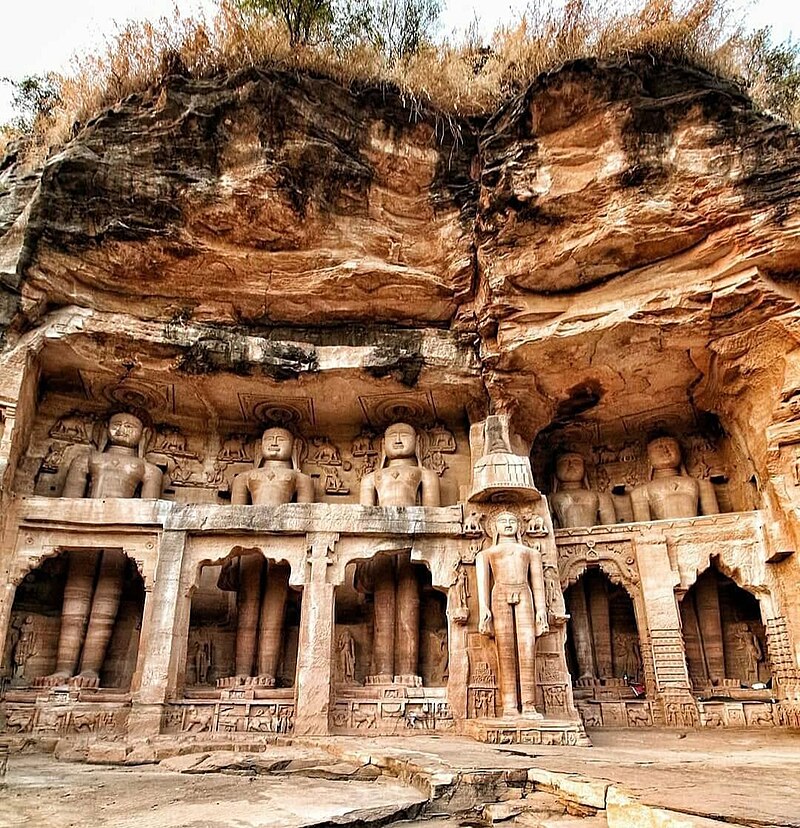
Among the most remarkable features of Gwalior Fort are the massive Jain sculptures carved directly into the cliff faces along the approaches to the fort. Dating from the 7th to 15th centuries, these include images of all 24 Jain tirthankaras, with the largest figures standing over 57 feet (17 metres) tall. The most impressive group is found along the Urwahi route on the southern face. Many sculptures were severely damaged when Babur ordered their destruction in 1527 — faces and limbs were hacked off, though some were later partially restored. The surviving and restored sculptures remain one of the finest collections of Jain art in India, attracting pilgrims and art historians from around the world.

Duration

45 minutes – 1 hour

🎟Entry

Included with Gwalior Fort ticket

👥Crowds

Low

☀️Best Time

Morning for soft light on the rock faces

Timings

Accessible during fort hours: 6:00 AM – 5:30 PM

Highlights

Jain Rock-Cut Sculptures

Largest Jain tirthankara figures up to 57 feet tall
Carved directly into fort cliff faces — 7th to 15th century
Damaged by Babur in 1527, partially restored by ASI
All 24 tirthankaras represented
Important Jain pilgrimage site

Photos

#must-visit#sculpture#jain#heritage#rock-cut#pilgrimage
Saas-Bahu Temple
Temple

Saas-Bahu Temple

11th-century twin temples with astonishingly intricate carvings
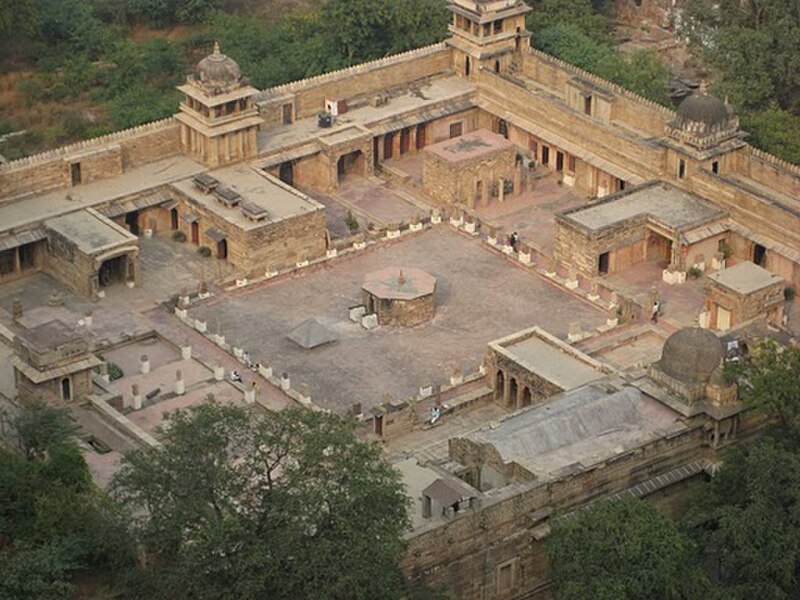
must-visittempleheritage
30–45 minutes LowIncluded with Gwalior Fort ticket
temple

Saas-Bahu Temple

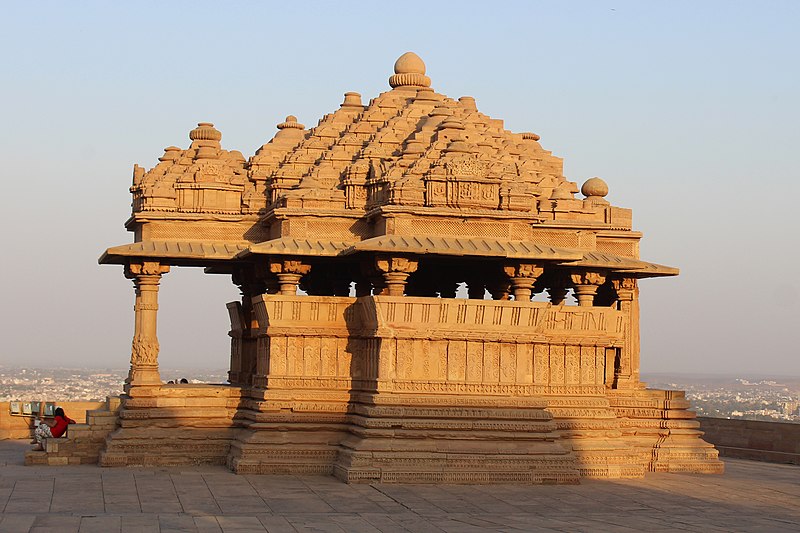
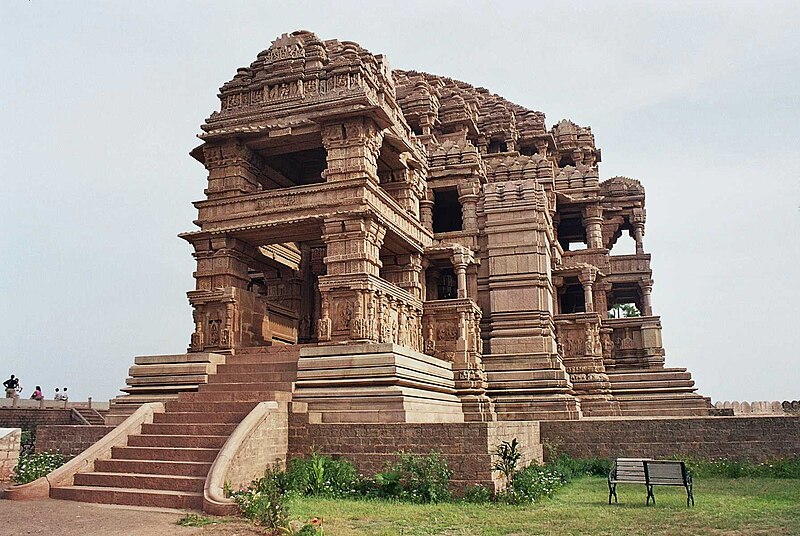
Built in 1093 CE by King Mahipala of the Kachchhapaghata dynasty, these twin temples within the Gwalior Fort complex are dedicated to Lord Vishnu (Padmanabha). The popular name "Saas-Bahu" (mother-in-law and daughter-in-law) is actually a folk corruption of "Sahastrabahu" — the thousand-armed form of Vishnu. The larger temple (Saas) originally had a massive mandapa supported by ornate pillars, each uniquely carved with no two designs alike. The smaller temple (Bahu) is better preserved and features exquisite relief panels depicting Vishnu's avatars, celestial musicians, and scenes from Hindu mythology. The depth and precision of the stone carvings are exceptional — some scholars consider them among the finest examples of Indian temple sculpture.

Duration

30–45 minutes

🎟Entry

Included with Gwalior Fort ticket

👥Crowds

Low

☀️Best Time

Morning for best light on the carvings

Timings

6:00 AM – 5:30 PM daily

Highlights

Saas-Bahu Temple

Built 1093 CE — Kachchhapaghata dynasty masterpiece
Every pillar uniquely carved — no two alike
Name is corruption of "Sahastrabahu" (thousand-armed Vishnu)
Exceptionally detailed relief panels of Vishnu avatars
Twin temple design — larger Saas and smaller Bahu

Photos

#must-visit#temple#heritage#architecture#carvings#vishnu
Gujari Mahal & Archaeological Museum
Palace

Gujari Mahal & Archaeological Museum

A love story carved in stone — palace built for a Gujar queen, now a world-class museum
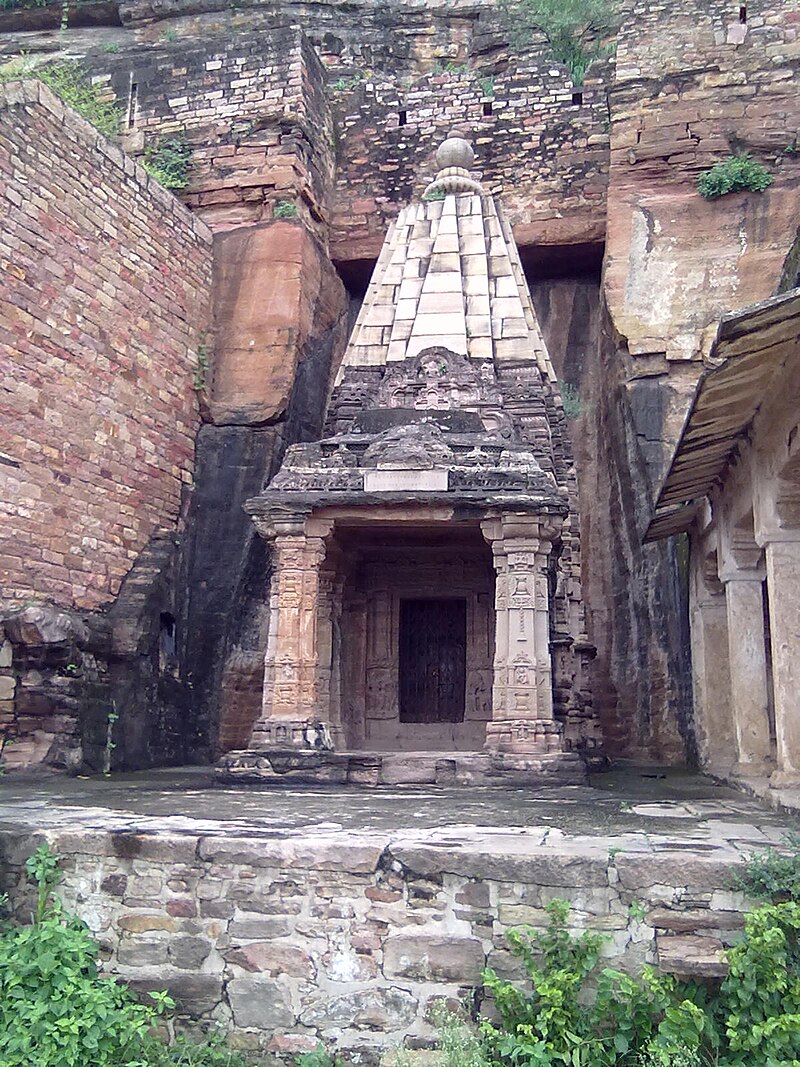
palacemuseumheritage
1–1.5 hours Low₹10 (Indians), ₹100 (Foreigners)
palace

Gujari Mahal & Archaeological Museum

Raja Man Singh Tomar built this palace at the foot of Gwalior Fort in the 15th century for his beloved wife Mrignayani, a Gujar princess who demanded a guaranteed water supply (a palace with a permanent water channel from the Rai River) as a condition for marriage. Today it houses one of the finest archaeological museums in central India, managed by the Archaeological Survey of India. The collection spans from the 1st century CE to the 17th century and includes the celebrated Salabhanjika (tree nymph) sculpture, Yakshi figures, rare Shaivite and Vaishnavite sculptures, inscriptions, coins, weapons, and terracotta artifacts from excavations across the Gwalior region.

Duration

1–1.5 hours

🎟Entry

₹10 (Indians), ₹100 (Foreigners)

👥Crowds

Low

☀️Best Time

Late morning or afternoon — allow 1-2 hours

Timings

10:00 AM – 5:00 PM (Closed Mondays)

Highlights

Gujari Mahal & Archaeological Museum

Built as a love gift by Raja Man Singh for queen Mrignayani
ASI Archaeological Museum with 1st-century CE artifacts
Celebrated Salabhanjika (tree nymph) sculpture
Rare collection of Shaivite and Vaishnavite sculptures
Spans 1,600 years of art and history

Photos

#palace#museum#heritage#tomar#archaeology
Chaturbhuj Temple
Temple

Chaturbhuj Temple

Home to the world's oldest known inscription of zero — a milestone in mathematics
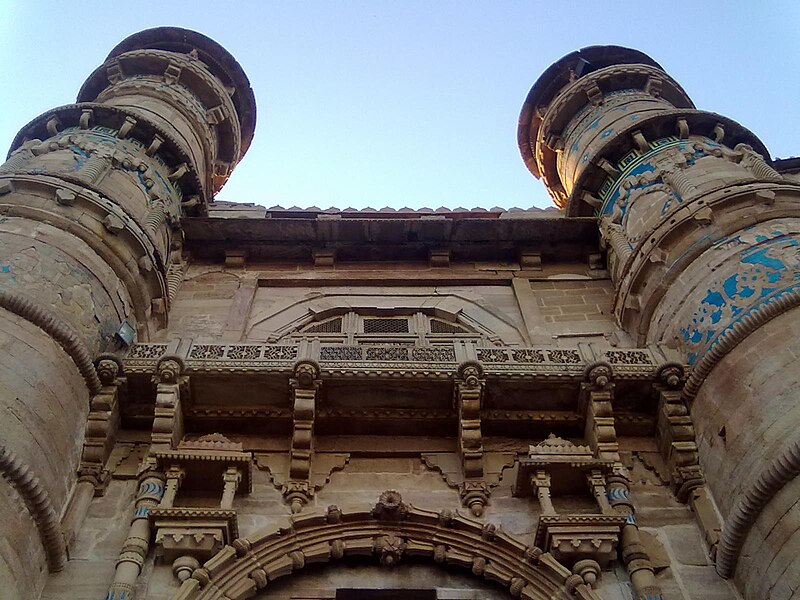
must-visittempleheritage
15–30 minutes Very LowIncluded with Gwalior Fort ticket
temple

Chaturbhuj Temple

This small but historically momentous temple within Gwalior Fort holds a treasure that changed mathematics forever. An inscription on the temple wall, dated to 876 CE, contains the oldest known use of zero as a numeral in a place-value system — the mathematical zero that the world uses today. The inscription records a land grant and mentions measurements in "270" hastas and a garden "187" hastas long, with the zeros clearly written as small circles. The temple is dedicated to Vishnu in his four-armed (Chaturbhuj) form. While the temple architecture itself is modest compared to its neighbours, its contribution to human civilization is incalculable — quite literally, since without zero, modern mathematics, computing, and science would not exist.

Duration

15–30 minutes

🎟Entry

Included with Gwalior Fort ticket

👥Crowds

Very Low

☀️Best Time

Anytime during fort hours — combine with fort tour

Timings

6:00 AM – 5:30 PM daily

Highlights

Chaturbhuj Temple

Contains oldest known zero inscription (876 CE)
The zero that changed mathematics, computing, and science
Inscription records land grant with numbers 270, 187, 50
Dedicated to four-armed Vishnu (Chaturbhuj)
UNESCO-recognised significance for world heritage of mathematics

Photos

#must-visit#temple#heritage#mathematics#zero#inscription
Hathi Pol (Elephant Gate)
Gateway

Hathi Pol (Elephant Gate)

The grand main entrance to Gwalior Fort — flanked by stone elephants

must-visitgatewayfort
30–45 minutes (walking through all gates) ModerateIncluded with Gwalior Fort ticket
gateway

Hathi Pol (Elephant Gate)

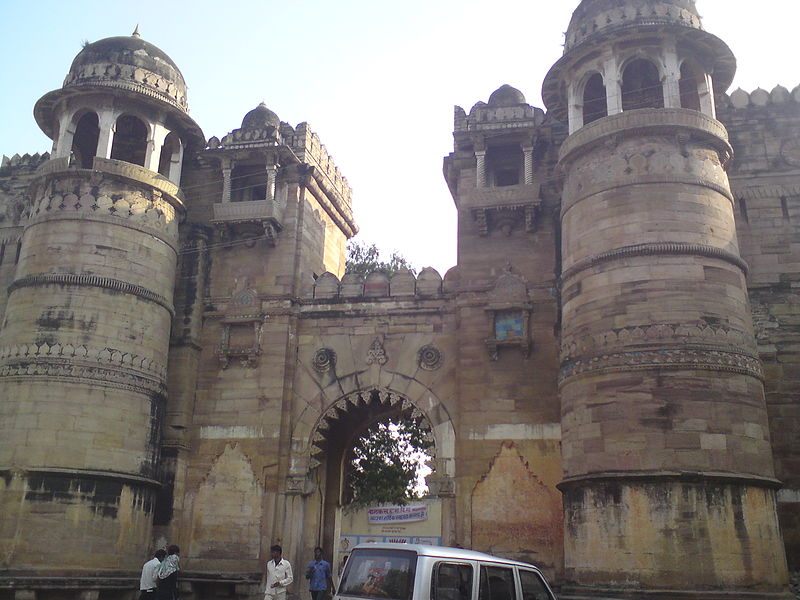
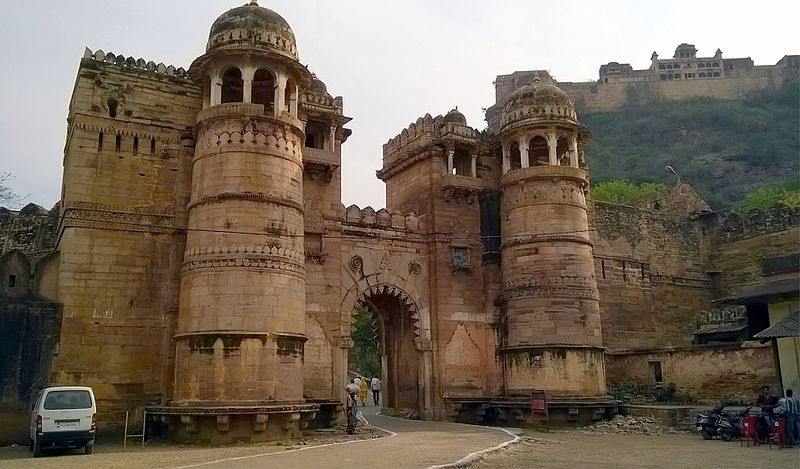
Hathi Pol is the last and most impressive of the seven sequential gates that guard the eastern approach to Gwalior Fort. Named for the life-size stone elephant statues that once flanked the entrance (now partially damaged), this massive gateway served as the primary ceremonial entrance for rulers and armies for over a thousand years. The steep, winding road from the base passes through six preceding gates — Alamgiri Gate, Hindalgarh Gate, Badalgarh Gate, Ganesh Gate, Lakshman Gate, and Hawa Gate — each designed to slow and funnel attacking armies into narrow kill zones. The defensive architecture is a masterclass in medieval fortification, explaining why Gwalior Fort was considered virtually impregnable.

Duration

30–45 minutes (walking through all gates)

🎟Entry

Included with Gwalior Fort ticket

👥Crowds

Moderate

☀️Best Time

Early morning — walk up through all seven gates for the full experience

Timings

Accessible during fort hours: 6:00 AM – 5:30 PM

Highlights

Hathi Pol (Elephant Gate)

Last of seven sequential defensive gates
Named for life-size stone elephants flanking entrance
Main ceremonial entrance for over 1,000 years
Masterclass in medieval defensive architecture
Dramatic steep approach through all seven gates

Photos

#must-visit#gateway#fort#architecture#defensive
Karn Mahal
Palace

Karn Mahal

15th-century palace of the second Tomar king — where justice was dispensed
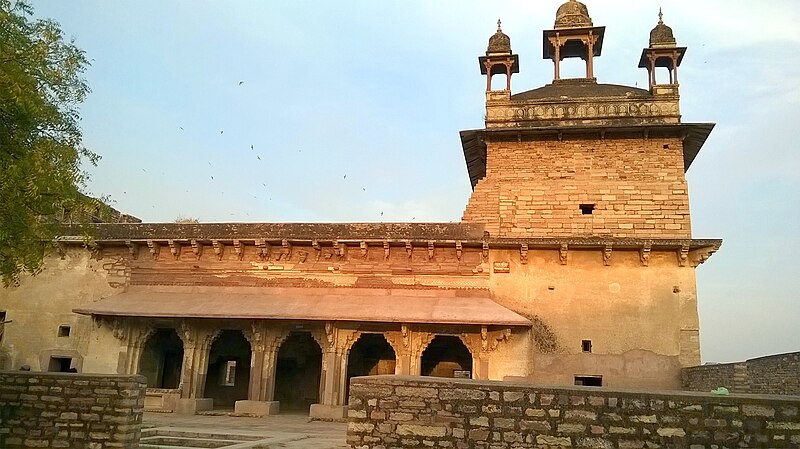
palacetomarheritage
15–20 minutes LowIncluded with Gwalior Fort ticket
palace

Karn Mahal

Built by Kirti Singh, the second Tomar king of Gwalior (and father of the legendary Man Singh Tomar), Karn Mahal served as the royal court for dispensing justice and receiving petitions. The two-storied structure is architecturally simpler than the later Man Mandir Palace but represents an important transitional phase in Tomar architecture. Its position within the fort complex, near the junction of several important pathways, made it a central gathering point. The palace gets its name from Karna (from the Mahabharata), reflecting the Tomar dynasty's identification with just and generous rulership.

Duration

15–20 minutes

🎟Entry

Included with Gwalior Fort ticket

👥Crowds

Low

☀️Best Time

Combine with Man Mandir Palace visit

Timings

6:00 AM – 5:30 PM daily

Highlights

Karn Mahal

Built by Kirti Singh — father of Man Singh Tomar
Royal court for justice and public audiences
Transitional Tomar architecture predating Man Mandir
Named after the just king Karna from Mahabharata
#palace#tomar#heritage#history
Vikram Mahal
Palace

Vikram Mahal

Named after the legendary King Vikramaditya — now houses a Shiva temple
palacetempleheritage
15–20 minutes LowFree (within fort complex)
palace

Vikram Mahal

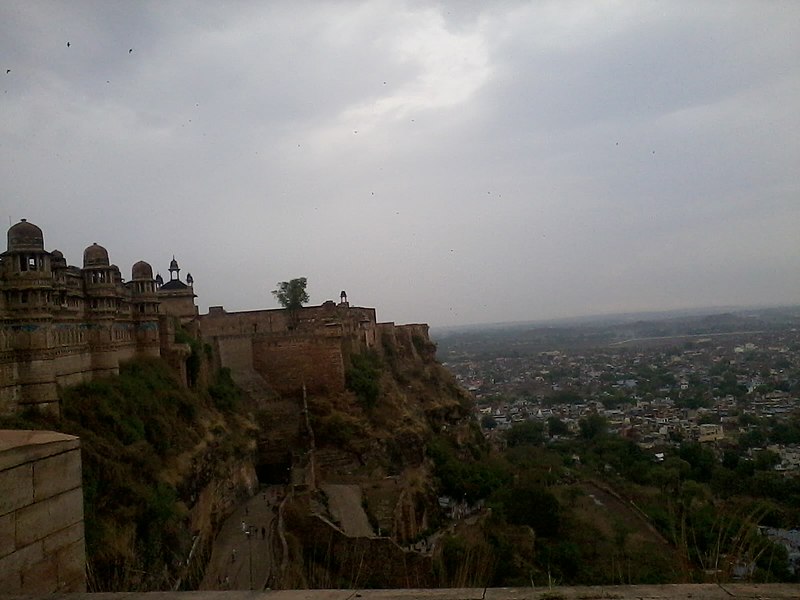
Vikram Mahal (also called Vikram Mandir) is situated near the Hathi Pol gate area within Gwalior Fort. Named after the legendary King Vikramaditya of Ujjain who is associated with Gwalior's early history, this structure has been repurposed over centuries. It currently houses a Shiva temple that is actively worshipped by locals who make the climb to the fort daily. The structure offers interesting views of the fort's defensive architecture and its position gives visitors a sense of the spatial layout of the fort complex.

Duration

15–20 minutes

🎟Entry

Free (within fort complex)

👥Crowds

Low

☀️Best Time

Morning — combine with Hathi Pol approach walk

Timings

6:00 AM – 5:30 PM daily

Highlights

Vikram Mahal

Named after legendary King Vikramaditya
Active Shiva temple — still worshipped daily
Good views of fort defensive architecture
Near Hathi Pol gate area
#palace#temple#heritage
Suraj Kund
Heritage

Suraj Kund

Ancient sacred water tank at the heart of the fort — tied to the founding legend
heritagemythologywater
15 minutes Very LowFree (within fort complex)
heritage

Suraj Kund

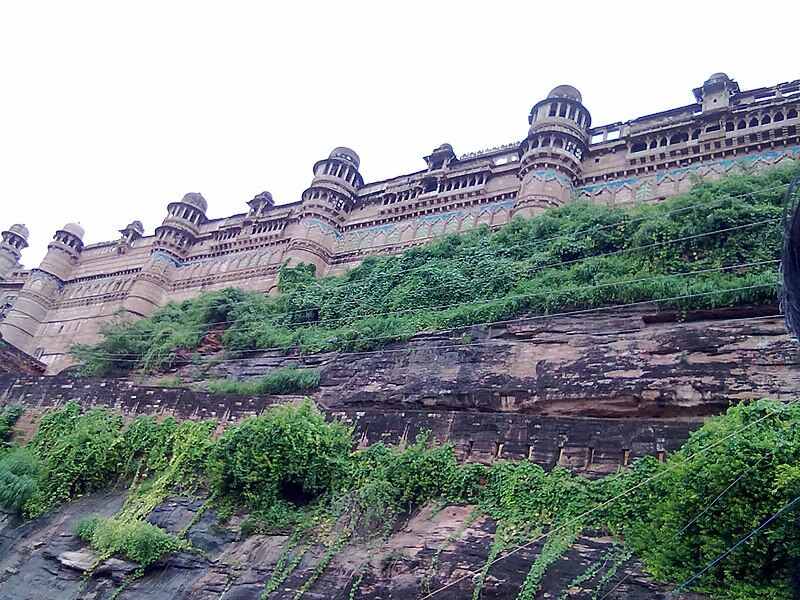
Suraj Kund is an ancient rock-cut water tank within Gwalior Fort that is central to the fort's founding legend. According to tradition, the sage Gwalipa led the ailing King Suraj Sen (who was suffering from leprosy) to this tank. After drinking its sacred water, the king was miraculously cured. In gratitude, he named the fort after the sage and took the title "Pal" (protector). The tank is said to have been the primary water source for the fort's early inhabitants. Even today, local tradition holds that the water has healing properties. The site connects visitors directly to the mythological origins of both the fort and the city of Gwalior.

Duration

15 minutes

🎟Entry

Free (within fort complex)

👥Crowds

Very Low

☀️Best Time

Anytime — combine with fort exploration

Timings

Accessible during fort hours

Highlights

Suraj Kund

Central to the founding legend of Gwalior Fort
Sacred tank where King Suraj Sen was cured of leprosy
Rock-cut water tank — ancient water management
Legend: healing water gave the fort its name
The sage Gwalipa → Gwalior — name origin
#heritage#mythology#water#founding-legend
Fort Walls & Ramparts
Fort

Fort Walls & Ramparts

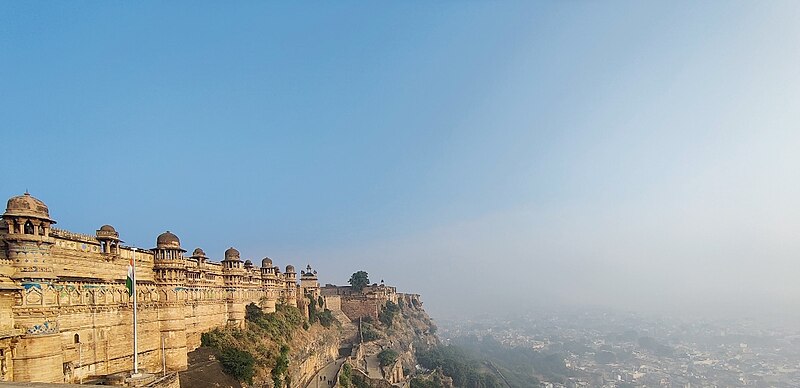
3 km of impregnable sandstone walls rising 100 metres above the plain
must-visitfortwalls
1–2 hours (full perimeter walk) LowIncluded with Gwalior Fort ticket
fort

Fort Walls & Ramparts

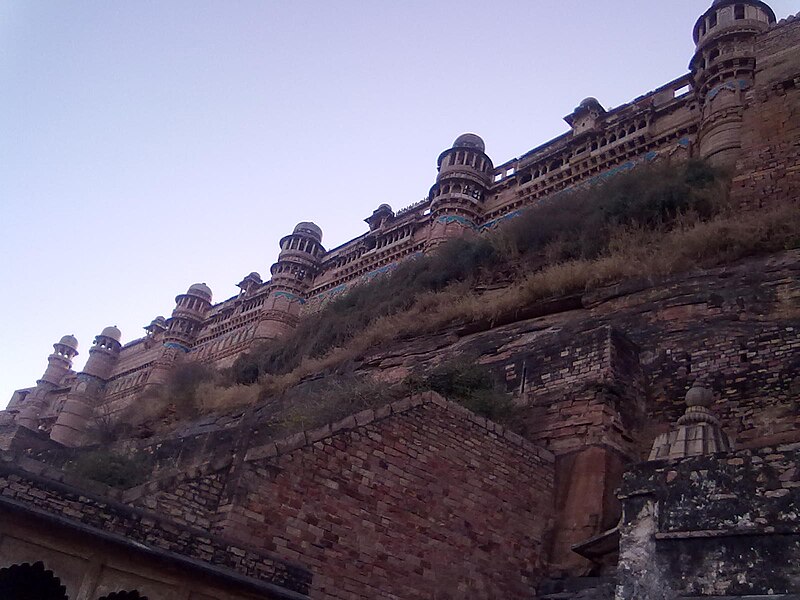
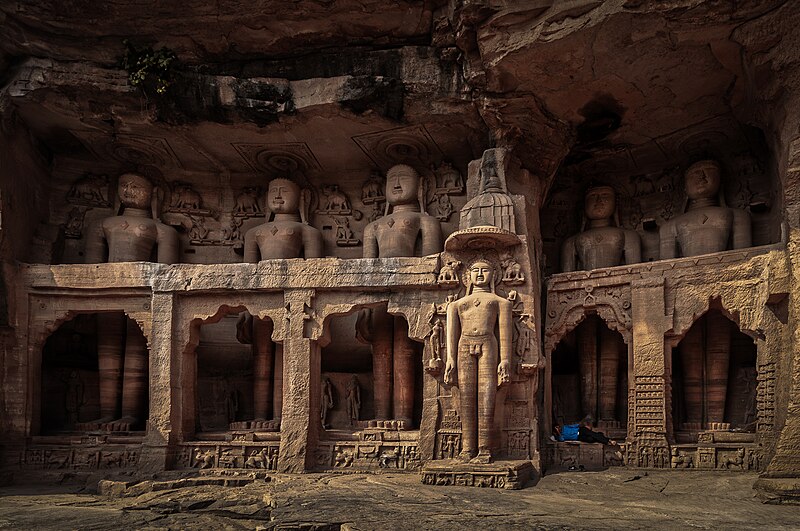
The walls of Gwalior Fort stretch approximately 3 kilometres in length and enclose an area atop a flat-topped sandstone hill (mesa) that rises nearly 100 metres above the surrounding plain. Built and reinforced by successive dynasties over more than a millennium, the walls incorporate natural cliff faces with constructed sandstone ramparts, creating an almost impregnable defensive perimeter. The fort sits on a steep-sided outcrop of Vindhyan sandstone, with near-vertical cliffs on most sides. Walking along the ramparts offers spectacular 360-degree panoramic views of Gwalior city, the Madhya Pradesh countryside, and the distant Chambal ravines. At sunset, the walls glow golden — one of central India's most photographed sights.

Duration

1–2 hours (full perimeter walk)

🎟Entry

Included with Gwalior Fort ticket

👥Crowds

Low

☀️Best Time

Sunset for golden-hour photography, sunrise for solitude

Timings

Accessible during fort hours: 6:00 AM – 5:30 PM

Highlights

Fort Walls & Ramparts

3 km long, 100 metres above the plain
Built and reinforced over 1,000+ years by multiple dynasties
Near-vertical natural cliffs on most sides
360-degree panoramic views from ramparts
Golden glow at sunset — iconic photography spot

Photos

#must-visit#fort#walls#photography#panoramic-views#sunset
Buddhist Caves & Sculptures
Heritage

Buddhist Caves & Sculptures

Ancient Buddhist rock-cut caves and sculptures predating the Jain carvings

heritagebuddhistcaves
30–45 minutes Very LowIncluded with Gwalior Fort ticket
heritage

Buddhist Caves & Sculptures

Gwalior Fort and its surrounding hillsides contain several Buddhist rock-cut caves and sculptures that are among the earliest archaeological remains in the region. These caves, dating from approximately the 2nd to 5th century CE, predate many of the fort's better-known structures. The Buddhist presence at Gwalior is evidenced by rock-cut meditation cells, relief panels depicting the Buddha in various mudras (meditation, teaching, and earth-touching poses), seated Bodhisattva figures, and remnants of stupas. A notable 19th-century photograph by Clifton & Co. documents a "Buddhist temple in the fort at Gwalior" showing carved Buddha figures in niches. Some of the Buddhist caves show architectural features similar to those found at Sanchi and Udayagiri — major Buddhist sites in Madhya Pradesh — suggesting Gwalior was part of a network of Buddhist monastic centres in central India. The caves are less visited than the Jain sculptures but represent an important chapter in the fort's religious diversity.

Duration

30–45 minutes

🎟Entry

Included with Gwalior Fort ticket

👥Crowds

Very Low

☀️Best Time

Morning — combine with Jain sculptures walk along the Urwahi route

Timings

Accessible during fort hours: 6:00 AM – 5:30 PM

Highlights

Buddhist Caves & Sculptures

Rock-cut meditation caves dating to 2nd–5th century CE
Buddha figures in dhyana, bhumisparsha, and dharmachakra mudras
Predates the Jain rock-cut sculptures by several centuries
Evidence of Buddhist monastic activity in central India
Linked to Sanchi and Udayagiri Buddhist sites in Madhya Pradesh
Less visited — a hidden gem for history enthusiasts

Photos

#heritage#buddhist#caves#rock-cut#sculpture#ancient
Sound & Light Show
Heritage

Sound & Light Show

The fort's 1,000-year history brought to life every evening

must-visitsound-light-showevening
45 minutes per show High₹100 (Indians), ₹200 (Foreigners)
heritage

Sound & Light Show

Every evening, the ramparts and palaces of Gwalior Fort are illuminated for a spectacular Sound & Light Show that narrates the fort's turbulent 1,000-year history. The show is held in the open-air amphitheatre near Man Mandir Palace. Two shows run nightly — one in Hindi (7:30 PM) and one in English (8:30 PM). The narrative covers the Tomar dynasty's golden age, the Mughal conquests, the Maratha period, the 1857 revolt and Rani Lakshmibai's last battle, and the fort's journey to becoming an ASI-protected monument. With the illuminated fort as backdrop and the night sky above, the show is one of the most atmospheric heritage experiences in India.

Duration

45 minutes per show

🎟Entry

₹100 (Indians), ₹200 (Foreigners)

👥Crowds

High

☀️Best Time

Evening — arrive 15 minutes early for good seating

Timings

Hindi: 7:30 PM, English: 8:30 PM (daily, weather permitting)

Highlights

Sound & Light Show

Nightly shows in Hindi (7:30 PM) and English (8:30 PM)
Open-air amphitheatre near Man Mandir Palace
Covers 1,000 years from Tomars to independence
Fort illumination creates dramatic atmosphere
One of India's best heritage Sound & Light shows
#must-visit#sound-light-show#evening#heritage#history